

AI and data training that changes how your teams work.
Live, private programs for every team, from one AI for Work Session for your leaders to engineering and data programs. Built on your team’s own work and measured person by person.
Taught live by industry experts from Mastercard and Paytm.
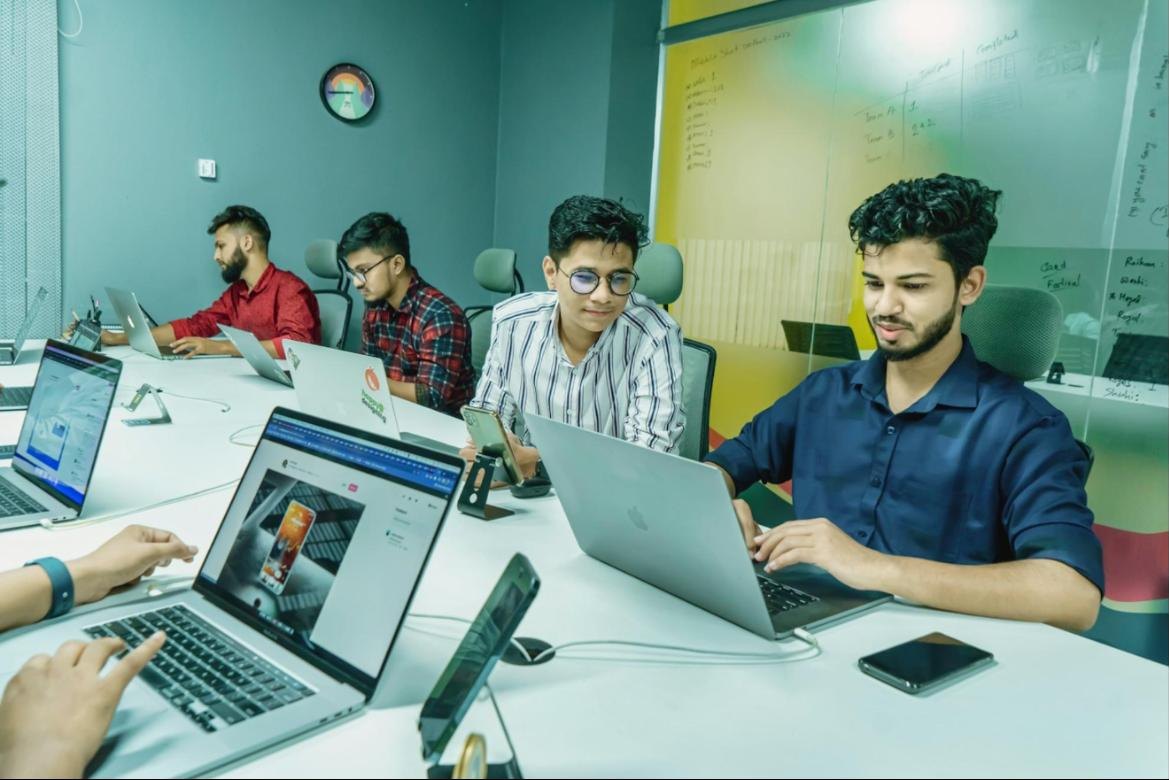
Our learners work at


 amazon
 Swiggy

 PayPal


 Flipkart


 ATLASSIAN
Most corporate training ends at the certificate. Ours ends at the work.
How a live SkilD program compares with the two usual choices.
Start with one session: AI for Work.
A live session for your leaders or a whole function. Your people each finish one task from their own job with AI.
- Who
- Your leadership team, your managers, or a whole function
- Format
- A seminar at your office, or a live webinar
- Length
- 2 to 3 hours
- You leave with
- A written shortlist of tasks where AI saves your team hours, ranked
Teams that want more continue with AI at Work.
- 0:00Where AI saves hours in your functionShown live, on tasks your team sent us before the session.
- 0:45Hands on: one task eachEvery person finishes one piece of their day’s work with an AI tool.
- 1:45Safe useWhat never goes into a public AI tool, and how to check an answer before it is used.
- 2:15Your shortlistThe tasks worth automating first, ranked by the hours they free.
The right program for every team.
AI at Work
Each person maps their own week, builds a no-code tool and an automation, and puts them to work.
AI at Work, with the PG Program · AI Generalist & Agentic AI (No-Code) for one lead
The team takes AI at Work; one lead goes deeper and owns the rollout.
Data Engineering Fundamentals, or AI Engineer Fundamentals
On the problems your analysts already work on, with your data.
AI-Assisted Development, then AI Agents & AgentOps
Inside the team’s own repositories, with the tools they will keep using.
PG Program in Data Engineering
With the pipelines built around your stack.
PG Program · AI Engineer: ML, GenAI & Agentic AI
From model to monitored service.
A sponsored seat
One seat in a public cohort of a PG Program, paid by the company.
Not sure which fits your team? Talk to us →
From the first call to the final test.
- 01Scoping call30 minutes. We learn who needs training, the tools they use and what should change.
- 02A written planWithin one working day of the call.
- 03AI for Work SessionFor leaders or a whole function, before the wider program.
- 04Live programWeekly live classes on your team’s work.
- 05Final test and reportA final test for each person, then one report per person for the manager.
- Who is trained, and where each person starts
- The program, the live hours and the dates
- Where it runs, and in which language
- How progress is measured, and what the manager receives
- The fee, GST included, and the payment terms
How a fintech’s analytics team stopped building month-end reports by hand.
Numbers copied by hand between 30 spreadsheets at every month-end.
The reports load every morning, from pipelines the analysts built in class.

“The analysts own the pipelines now. When one breaks, they fix it before I hear about it.”
A skills report for every person, not an attendance sheet.
- Before day oneA skill check for every person, so the program starts where your team is.
- Every weekWe review each build against standards shared in advance, with written feedback.
- At the endA final test, and a line on what each person can now do on the job.
Your team learns from people with years of this work behind them.
The same industry experts who teach our public cohorts, live with your team.

At work: Ran the migration of a card-payments reporting pipeline to AWS.

At work: Shipped a fraud-scoring model that screens transactions as they happen.
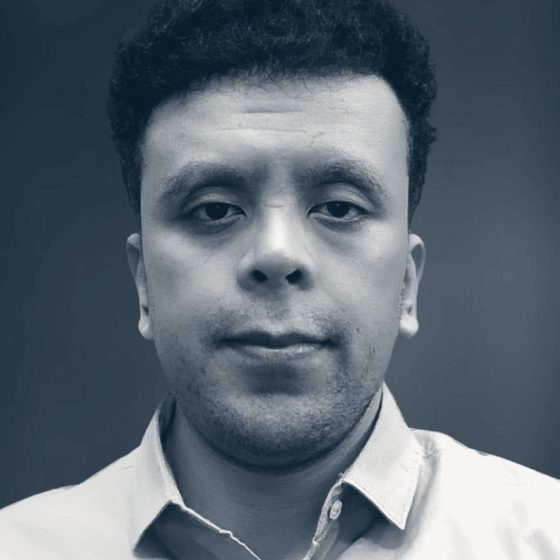
At work: Built the Spark and Kafka training labs used across corporate cohorts.

At work: Designed the data warehouse behind a retail chain’s daily sales reporting.
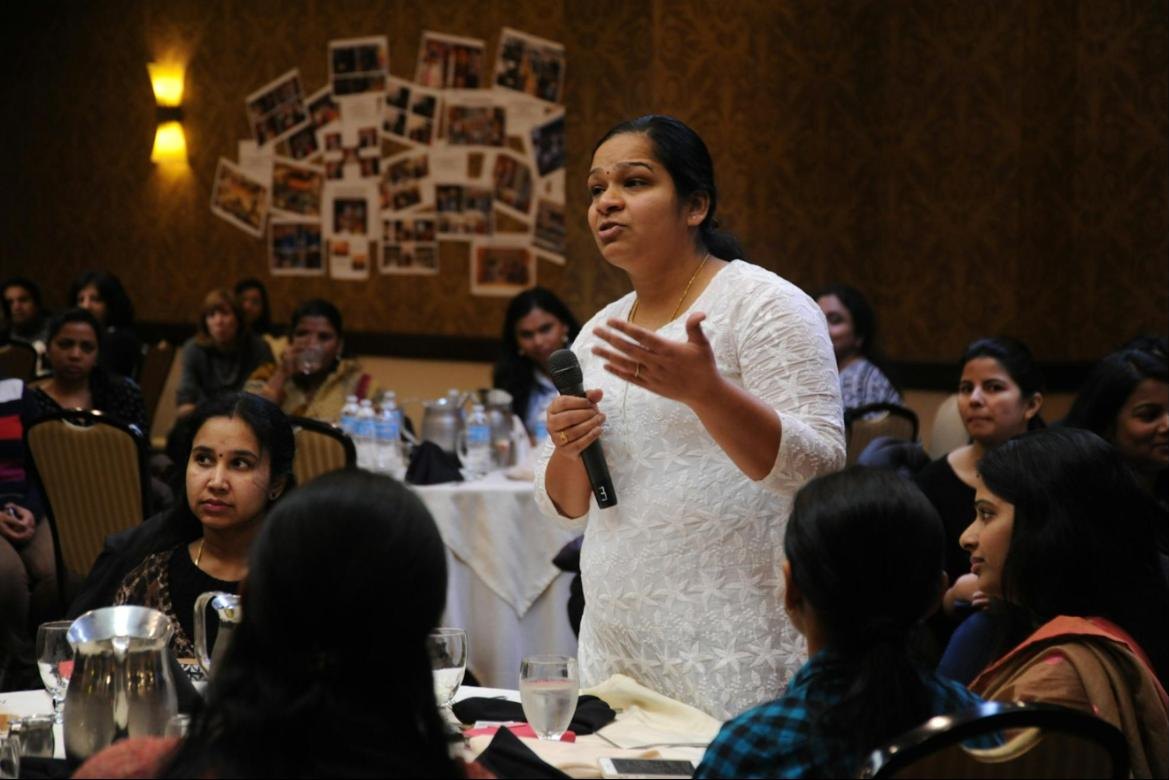
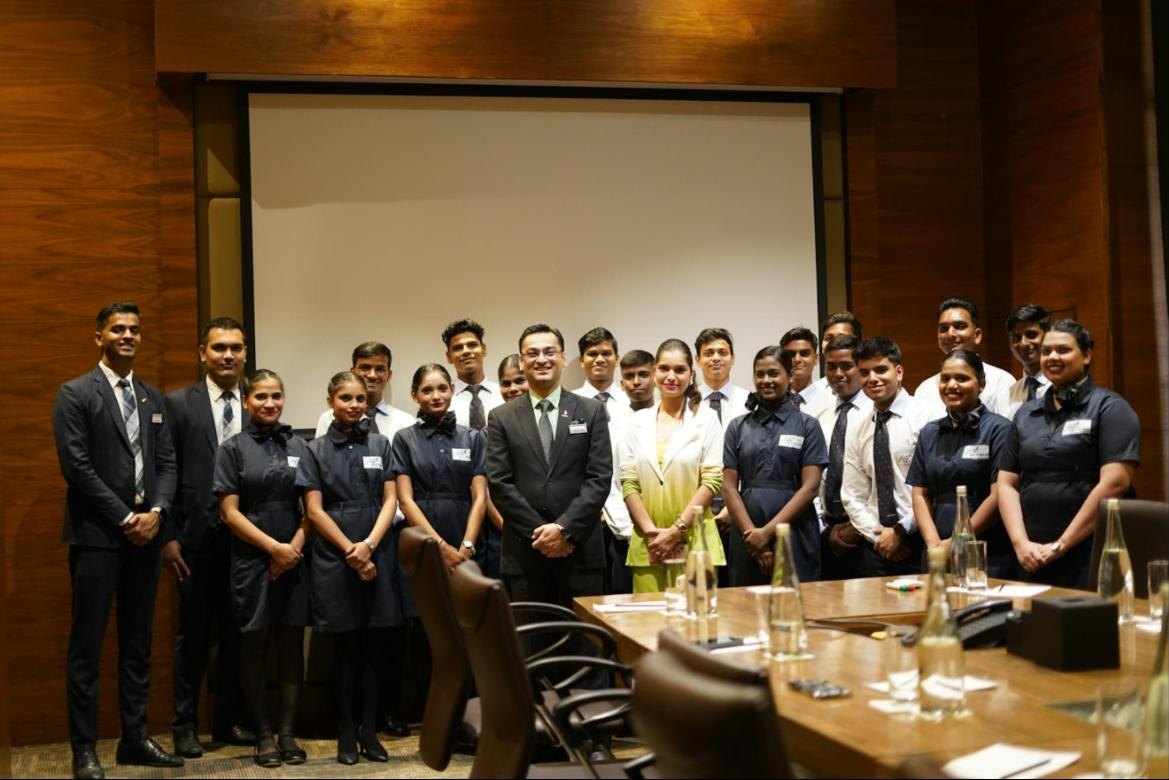
Inside a SkilD company batch.

What the people who buy the training say.
“The leadership session turned into a written plan the same week. Every batch after it ran on our own tickets and documents.”

“Our developers use Cursor and Claude Code every day now, and every agent they built was reviewed before it went anywhere near production.”

“Classes in Hindi made the difference for our plant supervisors, and the help stayed on until the last test.”

What happens once your plan is approved.
Paperwork
- Supplier registration
- We fill in your supplier forms and work to your purchase order.
- NDA
- If you need one, signed before we see any process, document or code.
- Invoices
- In your company’s name, on the payment terms in your plan.
Set-up
- Kick-off call
- Your L&D lead and our program advisor confirm the batch list, the dates and the language.
- Your data
- Classes use masked or sample data until your team approves its own.
- Joining details
- Class links and the batch chat reach every person a week before the first class.
Corporate AI training: your questions, answered.
What is corporate AI training?
Training that teaches employees to use AI, data and automation on their own work, run as a program for one company. At SkilD it is live, as a private batch for your team.
Which corporate training program should our team start with?
Most companies begin with the AI for Work Session for leaders, then AI at Work for all staff, and a technical program for engineering and data teams. The scoping call settles which fits.
Can you run AI training for non-technical employees?
Yes, and it is what companies ask for most. AI at Work needs no code at any point.
How much does corporate AI training cost?
We quote each plan per batch after the scoping call. The quote depends on the program, the group and how much material we build on your systems.
Can corporate AI training use the tools we already have?
Yes. Exercises run in the tools your company already uses and approves, such as Microsoft 365, Google Workspace, your cloud or your code repositories.
When do corporate training classes happen?
We agree the class days and times with you before the first class, on weekdays or weekends, around the team’s work. We share a replay of every class within 24 hours for anyone who misses one.
Let’s plan your team’s program.
Tell us who needs training and what should change.
Rather call or message?
- WhatsApp+91 90969 09751
- Emailhello@skild.co.in
Thank you. Your request is in.
A program advisor will contact you to set up the scoping call.